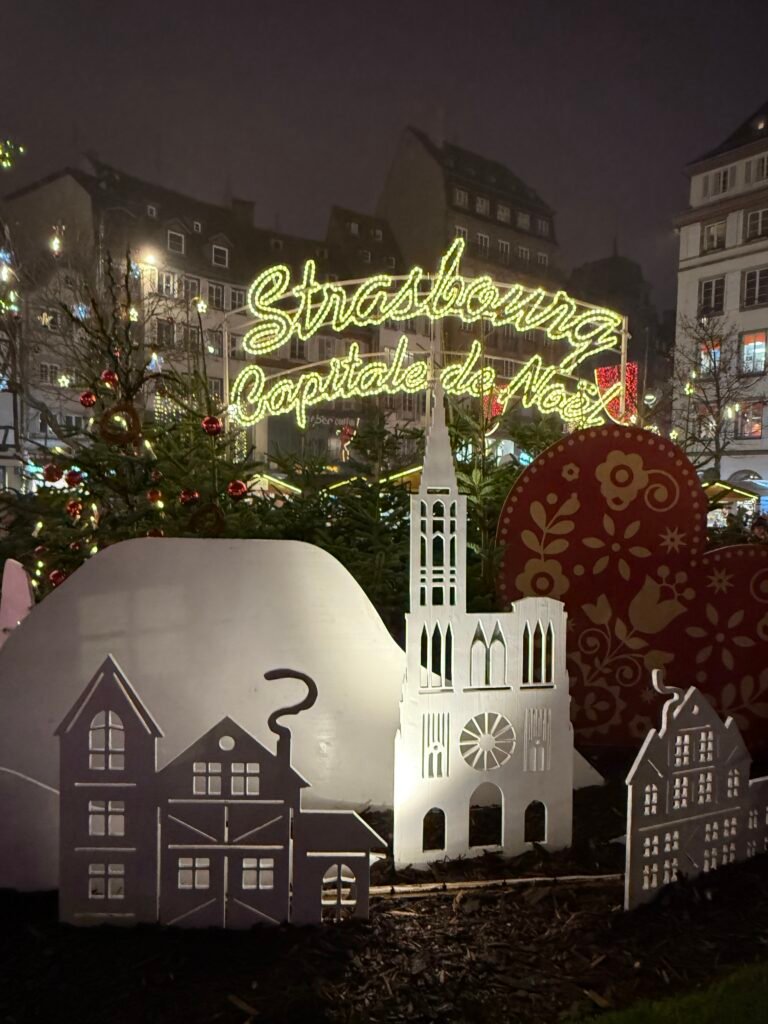
Welcome to the Most Magical Place on Earth!
If you’ve been dreaming of sipping hot, spiced mulled wine under millions of twinkling lights or finally experiencing the festive magic of Europe’s most charming holiday traditions, you are in the right place!
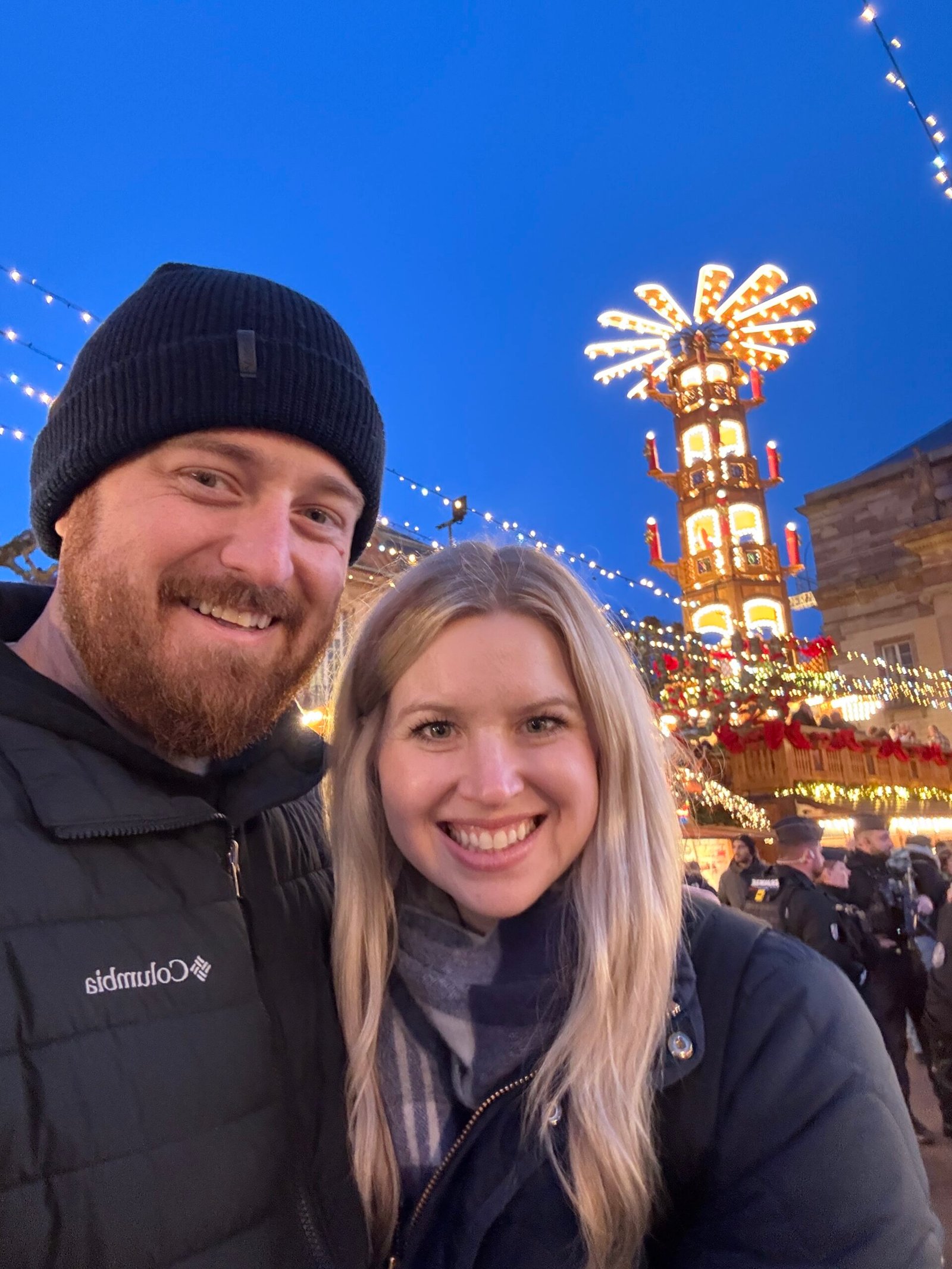
Just last year, I took my very first trip to Europe’s winter wonderlands, and I completely fell in love. Because it was my first time navigating the markets, I spent months obsessively researching itineraries, tracking down train schedules, and figuring out the hidden logistics from scratch. I know exactly how overwhelming it feels to plan a dream holiday trip, but after successfully navigating the trains, exploring the markets, and learning the ropes firsthand, I am here to tell you that you can absolutely do it too!
There is nothing quite like seeing historic fairy-tale towns completely come to life with rows of glowing wooden stalls and the smell of roasted nuts in the air. Because my first-timer mistakes are still totally fresh in my mind, I’ve put together the ultimate guide to everything I wish I would have known before I boarded my flight.
Grab your favorite drink and let’s dive into the magic!
Step Into a Fairy Tale: The History of the Markets
While walking through the stalls today feels like stepping directly into a movie set, these festive gatherings actually have deep historical roots that go back centuries. Long before they were filled with glittering fairy lights and Instagram photo ops, Christmas markets were born out of absolute survival!
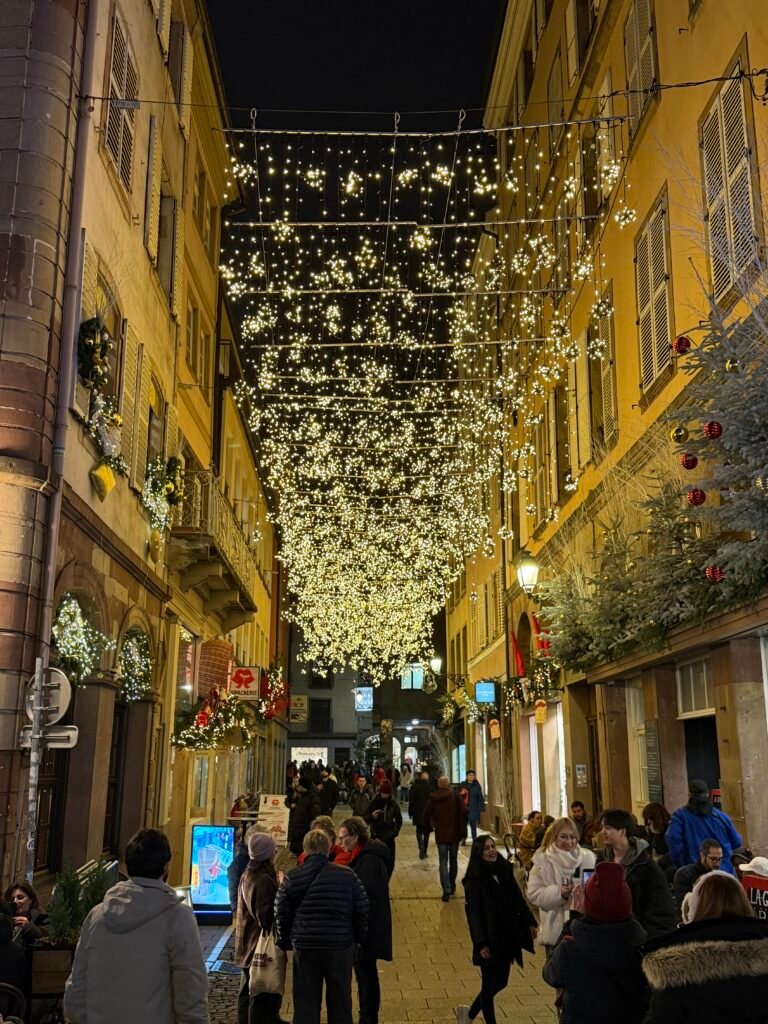
During the late Middle Ages, these cozy squares began evolving from cold-winter trade fairs in Central Europe. Instead of looking for holiday cheer, townspeople originally gathered to stock up on winter essentials like wood, preserved meats, and handcrafted tools just to survive the brutal, freezing months ahead.
The absolute pioneer of the official holiday market is believed to be the Striezelmarkt in Dresden, Germany, which first opened its gates way back in 1434. The market actually gets its unique name from Striezel, a traditional sweet holiday cake that we all know and love today as the famous German Stollen. Over generations, these practical supply hubs slowly transformed into community celebrations. Local toy makers, woodcarvers, and bakers began selling handcrafted ornaments and seasonal treats like gingerbread, while hot, spiced wine stalls opened up to keep the freezing shoppers warm. Today, walking across these historic cobblestones means you are walking through hundreds of years of pure holiday tradition.
One City, Multiple Markets: The “Secret” to Navigating Markets
When a guide says “The Nuremberg Christmas Market,” they don’t mean just one single square! One of the coolest things about European winter travel is that a single city center often hosts anywhere from three to over a dozen entirely different market villages scattered across its neighborhoods. You can wander from a traditional medieval square, walk five minutes down an alley, and suddenly step into a cozy artisan courtyard or a modern food-truck winter wonderland, each with its own unique vibe, custom mug designs, and food specialties.
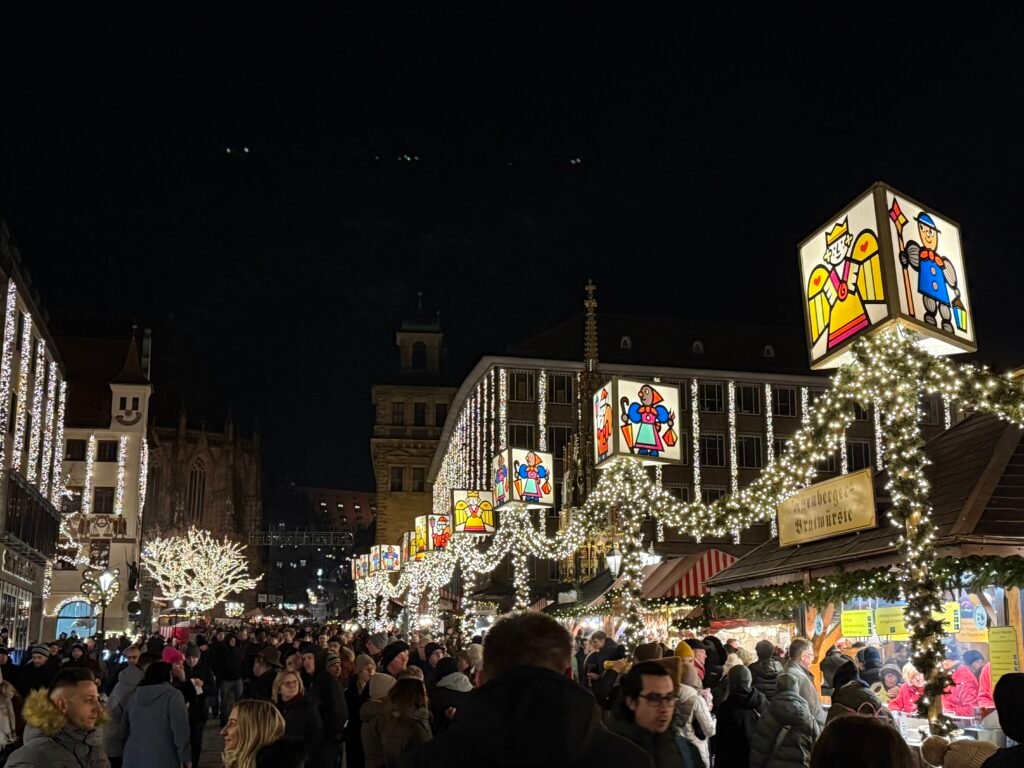
To be completely honest, this is also the “secret math” behind how some travel influencers claim they’ve been to 100+ markets! They usually aren’t driving to 100 different towns. Because a single city center like Cologne or Strasbourg has up to eight distinct markets clustered closely together, you can easily hit five entirely different “markets” in one single afternoon just by wandering around town. To truly experience a city at Christmas, look past the main square and hunt down those smaller, specialized neighborhood spots!
Timing It Perfectly: When are the Christmas Markets?
It might sound obvious, but planning ahead and knowing your dates is the number one rule of an amazing winter trip to Europe! If you show up blindly in mid-November or wait until January, you might find yourself looking at empty, dark squares instead of twinkling lights.
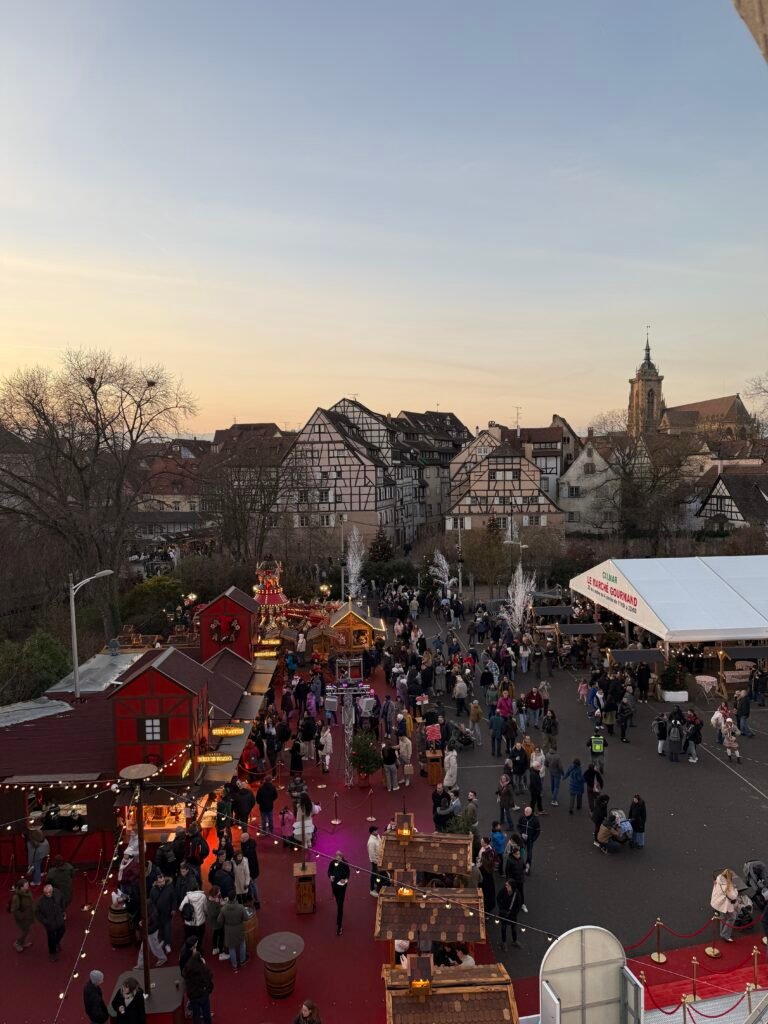
Here is exactly how the holiday calendar breaks down so you can plan your trip flawlessly:
- The Core Season: As a general rule, Christmas markets in Europe come alive during the Advent season.
- Opening Windows: Most festive stalls officially throw open their gates around the last weekend of November.
- Closing Windows: Markets typically run straight through until December 23 or 24, when vendors pack up to spend Christmas with their families.
- Regional Variations: Dates vary completely by city! Larger destinations like Vienna or Cologne frequently start earlier in mid-November, and a select few even extend past the new year into the first week of January.
Crucial 2026 Holiday Alert: If you are planning your trip for this season, you absolutely must account for a traditional German holiday called Totensonntag on Sunday, November 22, 2026. This is a solemn day of remembrance in Germany, meaning many major markets—including the massive stalls in Cologne and the private Regensburg Castle market—will close completely for the day or significantly delay their hours.
To help you lock down your vacation days, I have compiled a quick-reference calendar of the confirmed schedule details for the most popular destinations this winter season:
Official 2026 Christmas Market Calendar
| City & Country | Confirmed 2026 Operational Dates | Insider Note |
| Vienna, Austria | Nov 13, 2026 – Dec 26, 2026 | The iconic Rathausplatz market is incredibly elegant! |
| Budapest, Hungary | Nov 13, 2026 – Jan 1, 2027 | Beautifully pairs market stalls with world-class thermal baths! |
| Cologne, Germany | Nov 16, 2026 – Dec 23, 2026 | Closed Nov 22 for the Totensonntag holiday. |
| Tallinn, Estonia | Nov 20, 2026 – Jan 6, 2027 | Home to Europe’s very first public Christmas tree from 1441! |
| Munich, Germany | Nov 20, 2026 – Dec 24, 2026 | Centered around Marienplatz with live daily brass music! |
| Frankfurt, Germany | Nov 23, 2026 – Dec 22, 2026 | Features gorgeous timber-framed houses on Römerberg square. |
| Berlin, Germany | Nov 23, 2026 – Dec 31, 2026 | Has multiple themed hubs, ice rinks, and a flying Santa! |
| Colmar, France | Nov 23, 2026 – Dec 29, 2026 | Nestled in Alsace with 6 markets across candy-colored streets! |
| Dresden, Germany | Nov 25, 2026 – Dec 24, 2026 | Home to the Striezelmarkt, Germany’s oldest market! |
| Strasbourg, France | Nov 26, 2026 – Dec 24, 2026 | The legendary, must-visit “Capital of Christmas” core. |
| Nuremberg, Germany | Nov 27, 2026 – Dec 24, 2026 | Opens the Friday immediately following US Thanksgiving. |
| Helsinki, Finland | Nov 27, 2026 – Dec 22, 2026 | Held in Senate Square with a free, beautiful vintage carousel! |
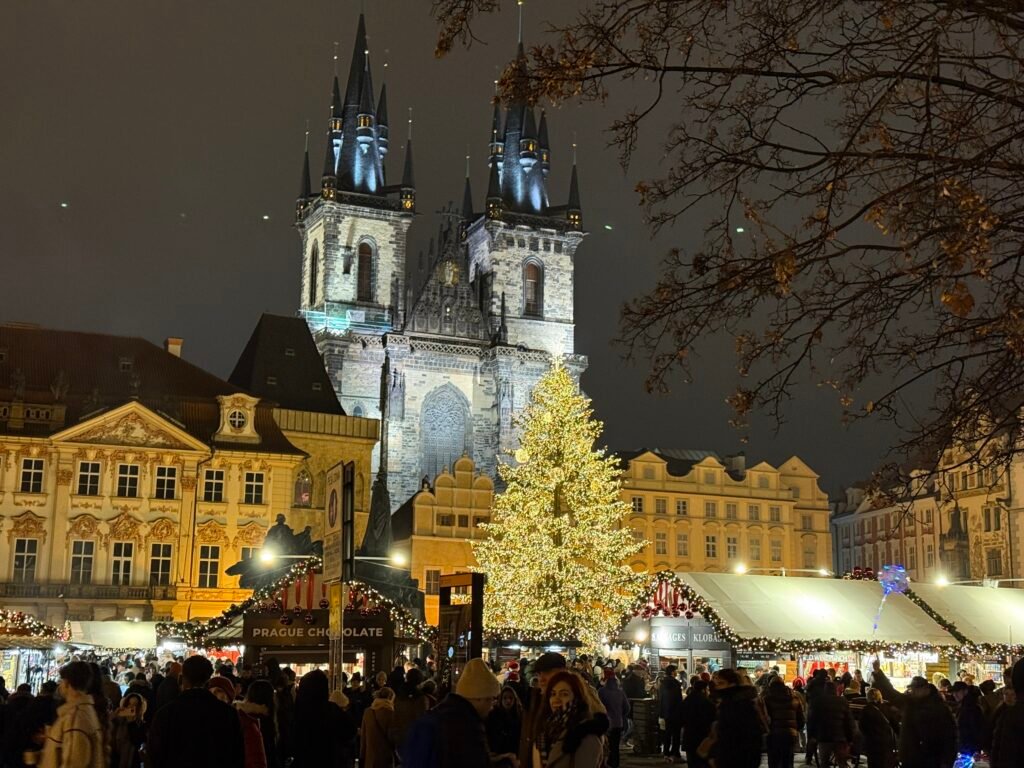
| Prague, Czech Republic | Nov 28, 2026 – Jan 6, 2027 | Amazing choice for a post-Christmas, fairy-tale getaway! |
| Copenhagen, Denmark | Nov 13, 2026 – Jan 3, 2027 | Head straight to Tivoli Gardens for an absolute wonderland! |
Pro Tip: If you want to experience the magic without battling the peak evening crowds, aim to visit on a weekday morning or early afternoon when the cobblestones are much quieter.
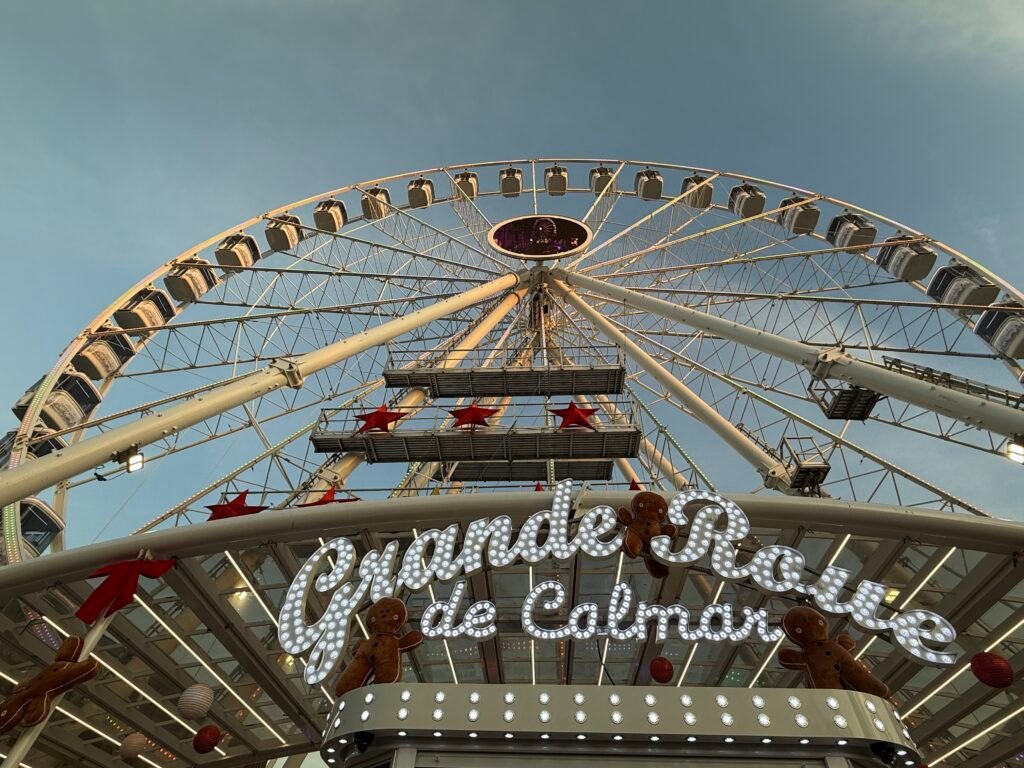
Getting Around: How to Navigate Europe Like a Pro
Once you’ve picked your dream cities and checked your dates, the next big question is always how to travel between all these markets smoothly. Depending on your budget, timeframe, and travel style, here is exactly how to break down your transportation options:
My Personal Favorite: Riding the Rails (Trains)
Taking the train is the absolute best way to experience the magic of Europe at Christmas. Europe’s extensive high-speed train networks (like the ICE in Germany or the TGV in France) are unbelievably efficient, cozy, and completely stress-free.
- The Train Advantage: You get to sit back with a hot coffee, watch the snowy countryside fly past your window, and seamlessly travel directly from one city center to the next.
- Zero Logistics Drama: Most of the best Christmas markets are built directly in front of historic town cathedrals or central squares, which just happen to be a short, effortless walk straight from the main train platforms.
- Pro Tip: Book your point-to-point train tickets or your Eurail pass well in advance to lock in the cheapest rates, and download regional transit apps (like DB Navigator) to track your train platforms in real time.
The Ultimate Luxury: River Cruises
If you are looking for a relaxing, high-end vacation where everything is taken care of for you, a river cruise is a spectacularly magical way to travel. These ships glide gracefully down Europe’s most beautiful winter rivers—like the Rhine or the Danube—stopping at famous festive cities along the way.
- The Cruise Advantage: You pack and unpack exactly once. Your floating boutique hotel moves with you, meaning you can spend your morning exploring the markets of Strasbourg, head back to the ship for a warm lunch, and wake up the next morning completely surrounded by the lights of Cologne.
- Stunning Winter Views: Sailing through the festive, castle-lined river valleys with a hot drink in hand is an experience that is impossible to beat.
The Total Freedom Option: Renting a Car (Driving)
If you are someone who loves the absolute freedom to move completely at your own pace and escape the tourist crowds, renting a car and driving is an excellent strategy.
- The Driving Advantage: While the big cities are incredible, a car unlocks the ability to hop across borders easily and discover tiny, tucked-away fairytale villages in the countryside that trains simply cannot reach.
- Pro Tip: Keep in mind that parking garages immediately surrounding the popular town squares fill up incredibly fast on Advent weekends. Always aim to park early in the morning!
Eat Like a Local: Try the Traditional Foods
One of the best parts of visiting a Christmas market is the food! From savory bratwursts and cheesy raclette to sweet treats like gingerbread and roasted almonds, there’s something for everyone. Don’t be afraid to try some of the local specialties. Every region has its own unique Christmas market food offerings, so take advantage of it.
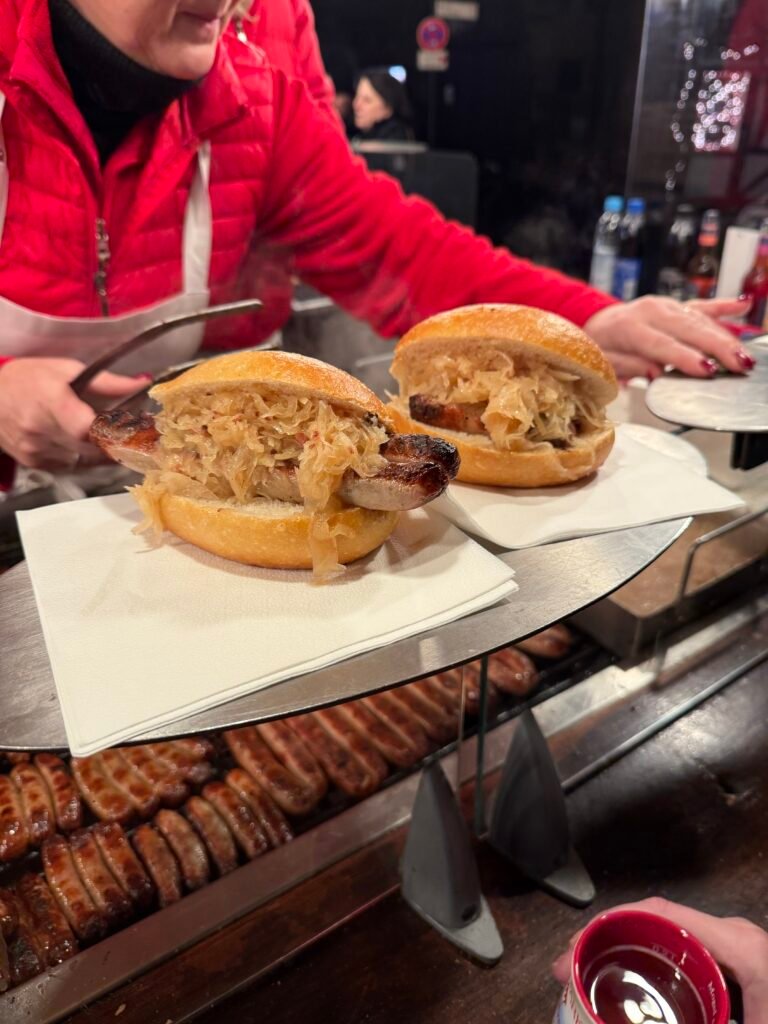
Pro Tip: Start with something warm like a bowl of goulash or a bratwurst sandwich. Then treat yourself to something sweet like Lebkuchen (German gingerbread) or Kaiserschmarrn (Austrian shredded pancake). And don’t forget to wash it all down with Glühwein or hot cider!
Glühwein: The Ultimate Winter Fuel
If there is one scent that defines the holiday season in Europe, it is Glühwein. This traditional hot, mulled wine is simmered in massive copper kettles at almost every single stall. It is the ultimate social ritual—you grab a cup, stand around a cozy high-top table with friends (or strangers who quickly become friends), and just soak in the ambiance.
- The Recipe: It is typically made from red wine heated with cinnamon sticks, cloves, star anise, citrus peel, and sugar.
- The “Schuss” (The Resident Expert Upgrade): If you are absolutely freezing or just want an extra kick, ask for a Glühwein mit Schuss—this means they will add a shot of rum, amaretto, or brandy to your drink! My favorite is a white Glühwein with a shot of amaretto—it tastes like liquid marzipan.
- The Variations: Keep an eye out for Weisser Glühwein (made with white wine, which is lighter and less sugary), Kinderpunsch (a non-alcoholic spiced fruit punch that is genuinely delicious), and Feuerzangenbowle (a theatrical version where a rum-soaked sugar cube is set on fire right above your mug, melting caramel goodness directly into your wine!).
The Souvenir Mug Obsession (Understanding the Pfand)
When you buy your first hot drink, you will notice the price is a few euros higher than what’s on the menu board. Don’t panic! You aren’t being ripped off. This is Europe’s brilliant Pfand (deposit) system.
- How it Works: You pay a 3 to 5-euro token deposit for the beautifully detailed, ceramic mug your drink is served in.
- The Ultimate Collectible: Every single city and often every individual market within that city designs a completely custom mug every single year. They feature unique shapes (like little boots, hearts, or rustic clay pots), custom illustrations of the local cathedrals, and the calendar year stamped right on them.
- Your Choice: If you want to keep the mug as an amazing, inexpensive souvenir, simply walk away with it! Your deposit covers the cost. If you don’t want to pack a suitcase full of ceramics, just return the mug to any drink stall, hand it back, and they will return your cash deposit on the spot.
PRO TIP: If you decide you want to keep your mug after drinking your drink (Glühwein, hot chocolate, etc), you can go back to the place where you bought it and they’ll exchange it for a clean one! This is an absolute game-changer because it means you won’t have to carry a sticky, wine-stained mug around in your purse for the rest of the night!
Treasures to Take Home: Shopping the Local Stalls
Beyond the food and the lights, the wooden stalls are packed to the brim with incredible handcrafted gifts and festive decorations. Shopping the markets is the perfect way to bring a piece of European holiday tradition home with you, but as a beginner, it helps to know exactly what to look for!
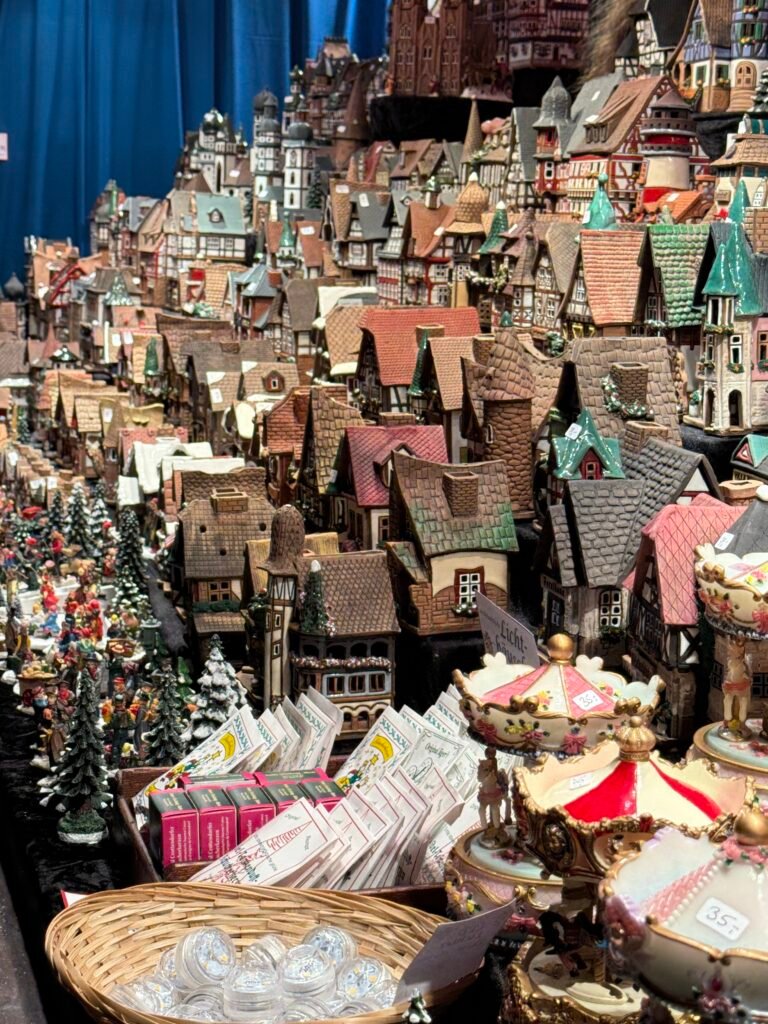
- Authentic Wooden Crafts: Look out for classic German nutcrackers, delicate incense smokers (Räuchermänner), and multi-tiered Christmas pyramids that spin from the heat of burning candles.
- Hand-Blown Glass Ornaments: Many vendors sell breathtaking, hand-painted glass baubles. Towns like Lauscha in Germany are world-famous for this craft, and finding a stall with an artist selling their own glasswork is incredibly special.
- Quirky Local Keepsakes: Keep an eye out for regional oddities! In Nuremberg, look for Zwetschgenmännle—tiny, quirky little figures made out of dried prunes and figs dressed up in miniature costumes.
- Cozy Knitwear: You will find beautifully made wool sweaters, sheepskin slippers, and cozy winter hats to help you combat the chill right on the spot.
Pro Shopping Tip: Look for the “Handmade” or “Local Artisan” certifications! While major markets have very strict rules requiring vendors to sell authentic goods, stalls on the outskirts can occasionally slip in mass-produced plastic imports. If you want a true heirloom piece, take a close look at the craftsmanship or look for a small placard inside the wooden hut indicating the seller is a certified local craftsman.
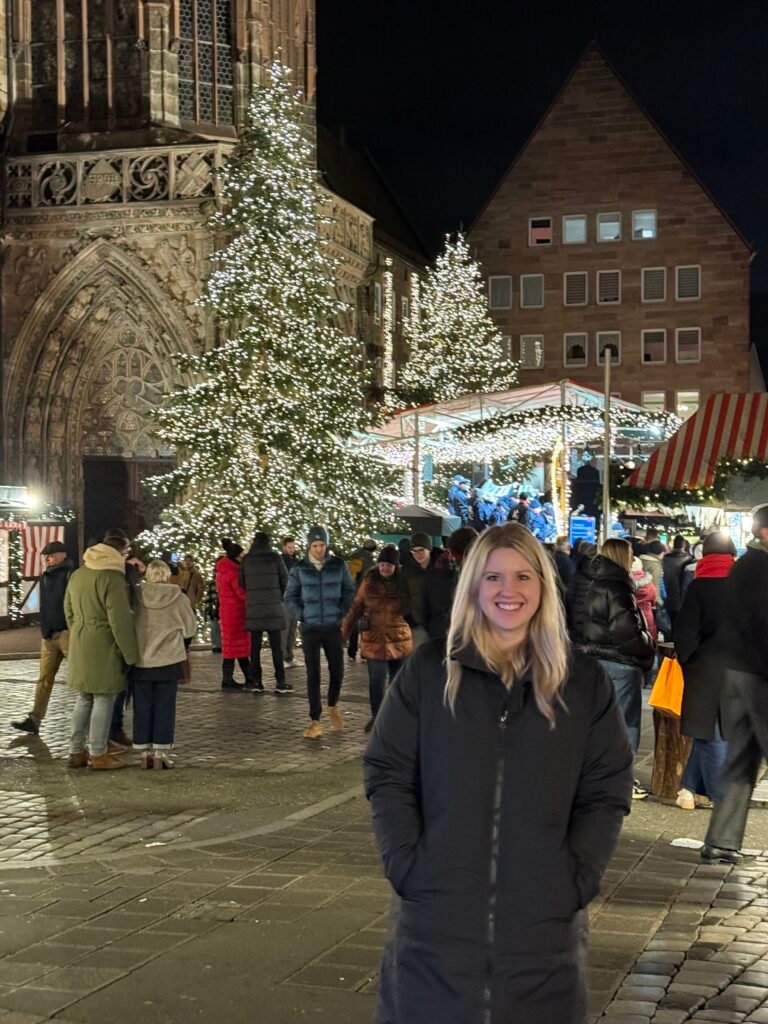
Master Your Packing List
The chill can creep in quickly while you are standing on frozen cobblestones. Make sure to pack these cold-weather essentials to stay cozy:
- Thermal Base Layers: Fleece-lined thermal leggings and undershirts to retain core body heat all day.
- Touch-Screen Gloves: Phone-compatible gloves so you can snap photos of the lights without freezing your fingers.
- Warm Hat & Scarf: A thick beanie and a cozy blanket scarf to completely block out the winter wind.
- Hand & Foot Warmers: Air-activated heat packets to slip inside your gloves and boots on freezing nights.
- Sturdy Waterproof Boots: Insulated footwear with good traction to safely navigate slick, frosty cobblestones.
- Merino Wool Socks: Thick wool socks to keep your toes warm and dry much better than cotton.
- Lip Balm & Lotion: Travel-sized moisturizer and lip balm to protect your skin from the dry winter air.
PRO TIP: Pack a lightweight, packable tote bag or a small reusable nylon bag inside your coat pocket! Between delicate glass ornaments, hand-carved nutcrackers, and heavy winter mugs, you will accumulate local crafts and gifts quickly.
Final Thoughts: The Magic of Your First Trip
Taking your very first trip to Europe’s Christmas markets is an absolute milestone that you will never forget. It is easy to get caught up in the stress of perfect planning, train connections, and hitting every single stall, but the best advice I can give you is to slow down and just let yourself wander.
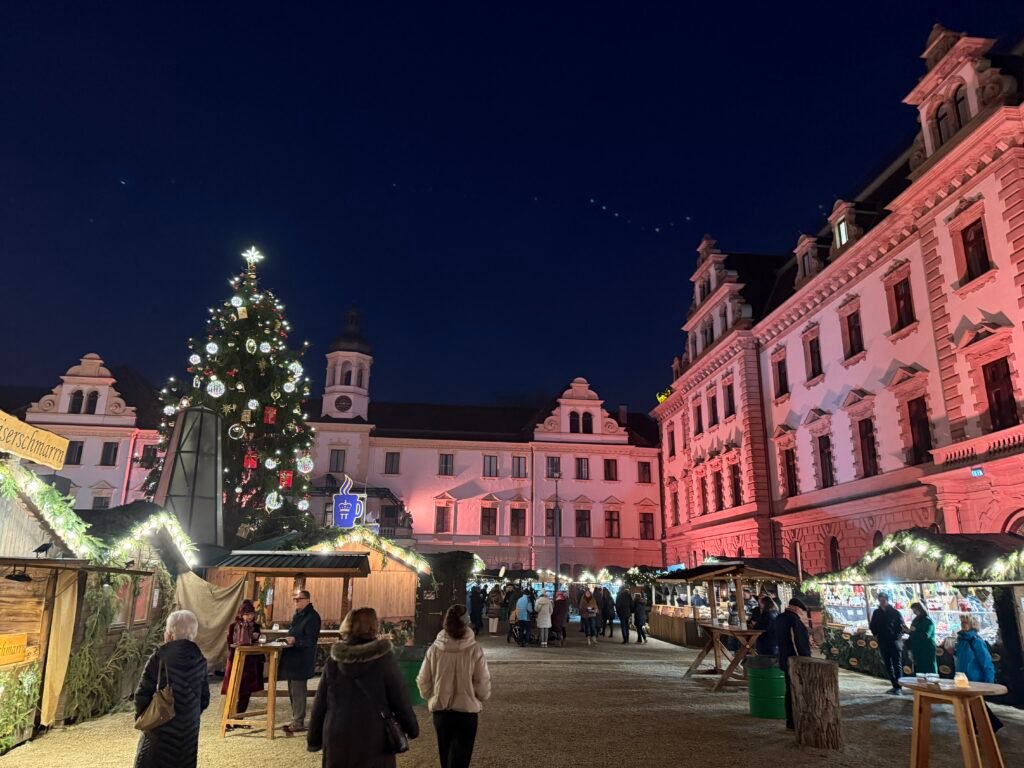
My absolute favorite memories from my first trip didn’t happen because I checked off a famous landmark on a list. They happened when I stumbled down a quiet, dimly lit side alley, found a hidden wooden courtyard filled with roaring fire pits, and stood chatting with locals. The true magic of the markets isn’t found in buying things—it’s found in the shared warmth, the festive music echoing off centuries-old stone walls, and the feeling of stepping directly into a living winter fairy tale.
Pack your warm boots, double-check your calendar dates, and prepare to be completely enchanted. You are going to have the most incredible time!